


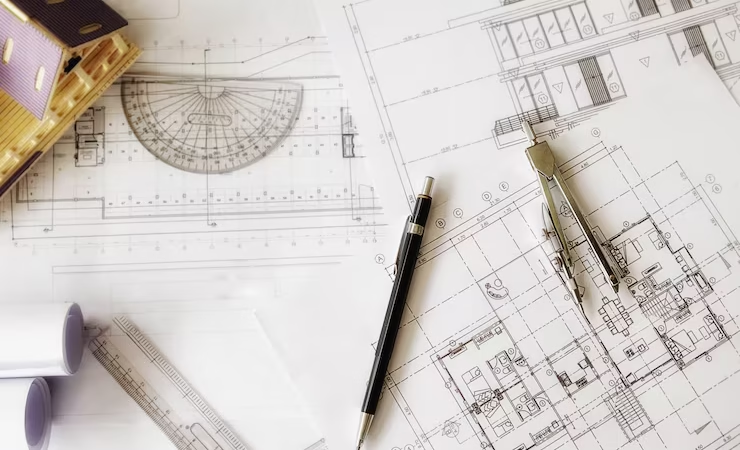
Structural drawings play a vital role in every safe construction project. They explain how a building stands, how weight is supported, and how structural elements work together. For homeowners and developers, structural drawings are not just technical documents. They are a key requirement for planning, building control approval, and long term safety. Without them, projects face higher risk, delays, and added costs.
This guide explains structural drawings in a clear and simple way. It is written for UK homeowners and developers who want to understand why these drawings matter and how they support safe and compliant construction.
What Are Structural Drawings?
Structural drawings are technical plans that show how a building is supported. They focus on strength, stability, and safety rather than appearance. These drawings guide builders on site and help inspectors confirm that the structure meets regulations.
Structural drawings are based on engineering calculations. They show how loads move through the building and into the ground. This includes the weight of the structure itself, people, furniture, and external forces such as wind.
Definition of Structural Drawings
Structural drawings are detailed documents prepared to explain how a structure is built safely. They show foundations, beams, columns, floors, and load bearing walls. They also include sizes, materials, and connection details. These drawings ensure that each structural element works as intended and meets required standards.
Who Prepares Structural Drawings in the UK
In the UK, structural drawings are prepared by qualified structural engineers. These professionals are trained to understand forces, materials, and building regulations. They design structures that are safe, efficient, and compliant. Their role is critical in protecting people and property.
Structural Drawings vs Architectural Drawings
Architectural drawings focus on layout, appearance, and space planning. Structural drawings focus on how the building stands and stays safe. Architectural drawings may show where walls are located, but structural drawings explain which walls carry load and how that load is supported. Both types of drawings are important, but they serve very different purposes.
Why Structural Drawings Are Essential for Construction Projects
Structural drawings are essential because they reduce risk. They provide clear instructions for construction. They also help ensure that the finished building is safe and durable.
Ensuring Structural Safety and Stability
Every building must safely support weight. Structural drawings explain how this is achieved. They show how loads are transferred from roofs and floors down through beams and walls into the foundations. This prevents excessive movement, cracking, or collapse. Safety is always the main priority.
Preventing Construction Errors and Costly Changes
When builders have clear structural drawings, there is less guesswork. Everyone understands what needs to be built and how. This reduces mistakes on site. Fixing errors after construction begins can be expensive and time consuming. Accurate drawings help avoid these issues.
Legal and Compliance Importance in the UK
UK building regulations require that structures are safe. Structural drawings are one of the main ways to prove compliance. Without them, projects may fail inspections or be forced to stop. These drawings provide documented evidence that the design meets legal requirements.
How Structural Drawings Support the Planning Process
Planning permission is not only about how a building looks. It is also about whether it can be built safely. Structural drawings help address this concern early in the process.
Role of Structural Drawings in Planning Applications
Some planning applications require structural information, especially for extensions, loft conversions, or complex designs. Structural drawings demonstrate that the proposal is feasible. They show that the design can be safely constructed without affecting neighbouring properties.
Planning Drawings UK: What Councils Expect
UK planning authorities expect clear and professional drawings. They want accurate information that supports the application. Structural drawings can help answer concerns related to stability, ground conditions, and load transfer. This can improve the chance of approval.
Common Planning Issues Solved by Structural Drawings
Planning delays often occur due to structural concerns. These may include questions about foundations or impact on existing buildings. Structural drawings address these issues in advance. This reduces delays and repeated requests for more information.
Structural Drawings and Building Control Approval
Building control approval focuses strongly on safety. Structural drawings are often a core requirement for this stage of the project.
Why Building Control Requires Structural Drawings
Building control officers must ensure that a structure meets regulations. Structural drawings provide the technical details they need. These include beam sizes, foundation design, and load calculations. Without this information, approval is unlikely.
What Inspectors Check in Building Structural Drawings
Inspectors review whether the drawings match regulations. They check that beams are correctly sized and supported. They review foundation depth and type. They also check that connections and materials are suitable for the loads involved.
How Accurate Drawings Speed Up Approval
Clear and accurate drawings reduce questions from inspectors. This allows approvals to be issued faster. Faster approvals keep projects on schedule and reduce overall stress for homeowners and developers.
What Is Included in Professional Structural Drawing Services
Professional structural drawing services provide detailed and reliable information. These services support every stage of construction from design to completion.
Foundations, Load Calculations, and Structural Elements
Structural drawings include foundation details that suit the ground conditions. They also include load calculations that prove the structure can support expected forces. These calculations are essential for safety and compliance.
Steel Beams, Columns, and Load Bearing Walls
Many projects require steel beams or columns. Structural drawings specify the correct size and position of these elements. They also show which walls are load bearing. This ensures that structural elements are installed correctly.
Specifications, Notes, and Compliance Details
Structural drawings include notes and specifications that guide construction. These notes reference UK standards and regulations. They help builders understand requirements clearly and reduce the risk of errors.
When Do You Need Structural Drawings?
Not every project needs structural drawings, but many do. Knowing when they are required helps avoid delays and issues later.
Extensions, Loft Conversions, and Renovations
Extensions often involve new foundations and beams. Loft conversions require floor strengthening and roof alterations. Removing walls also affects structure. These projects almost always need structural drawings.
New Builds and Major Structural Changes
New builds require full structural drawings from the start. Major alterations also need professional design. These projects involve higher risk and must meet strict standards.
Commercial vs Residential Requirements
Commercial buildings always require structural drawings. Residential projects also commonly require them when structure is involved. Compliance requirements are often stricter for commercial developments.
Risks of Skipping or Using Poor Quality Structural Drawings
Skipping structural drawings or using low quality ones can cause serious problems. These risks affect safety, cost, and timelines.
Safety Risks and Structural Failures
Poor design increases the risk of failure. This can lead to cracks, movement, or collapse. Safety should never be compromised. Quality drawings reduce these risks.
Planning Rejections and Building Control Delays
Inadequate drawings often lead to rejected applications. This causes delays and frustration. Delays increase costs and can disrupt project schedules.
Increased Costs and Project Delays
Fixing mistakes after construction begins is expensive. Redesign takes time and may require additional approvals. Investing in quality drawings early saves money in the long run.
Choosing the Right Structural Drawing Services in the UK
Choosing the right provider is important. Experience and local knowledge make a difference.
Qualifications and Experience to Look For
Structural drawings should be prepared by qualified engineers with proven experience in similar projects. At Ecoden Constructions, structural engineers have strong knowledge of UK building regulations, which helps ensure full compliance and smoother planning and building control approvals.
Local Authority Knowledge and Compliance
Different councils may have different expectations. Providers with local experience understand these requirements. This helps reduce delays and improve approval success.
How Professional Drawings Protect Your Investment
A building project is a major financial commitment. Structural drawings protect that investment by reducing risk, ensuring compliance, and supporting long term safety.
Final Thoughts
Structural drawings are not just technical documents. They form the foundation of safe and compliant construction. They support planning, building control approval, and quality construction.
Long Term Safety, Compliance, and Peace of Mind
Well prepared drawings provide peace of mind. They ensure that a building is safe today and in the future. They also reduce the risk of costly problems later.
Why Structural Drawings Are a Smart Investment
Quality structural drawings save time and money. They prevent errors and delays. They protect people and property. For homeowners and developers, they are a smart and necessary investment.
If you are planning an extension, loft conversion, renovation, or new build, professional structural drawings are essential for a smooth and safe project. Contact Us to ensure compliance, faster approvals, and long term safety.
Engaging a qualified structural engineer early can save time, reduce stress, and protect your investment throughout the construction process.
Frequently Asked Questions
1. What are structural drawings?
Structural drawings are technical plans that explain how a building is supported. They show foundations, beams, columns, and load bearing elements. These drawings are used to ensure that a structure is safe, stable, and compliant with UK building regulations.
2. What are structural drawings used for?
Structural drawings are used to guide construction and confirm safety. Builders rely on them to construct the building correctly. Building control officers use them to check compliance. They also help prevent structural failure and costly construction errors.
3. Are structural drawings required for planning permission in the UK?
Structural drawings are not always required for planning permission, but they are often requested for extensions, loft conversions, and complex projects. Many councils ask for structural information to confirm that a proposal can be built safely without affecting neighbouring properties.
4. Do I need structural drawings for building control approval?
Yes, in most cases structural drawings are required for building control approval. Building control officers use these drawings to assess whether the structure meets safety standards. Without approved structural drawings, work may be delayed or refused.
5. Who can prepare structural drawings in the UK?
Structural drawings must be prepared by a qualified structural engineer. The engineer should have experience with UK building regulations and local authority requirements. This ensures the drawings are accurate, compliant, and accepted by inspectors.